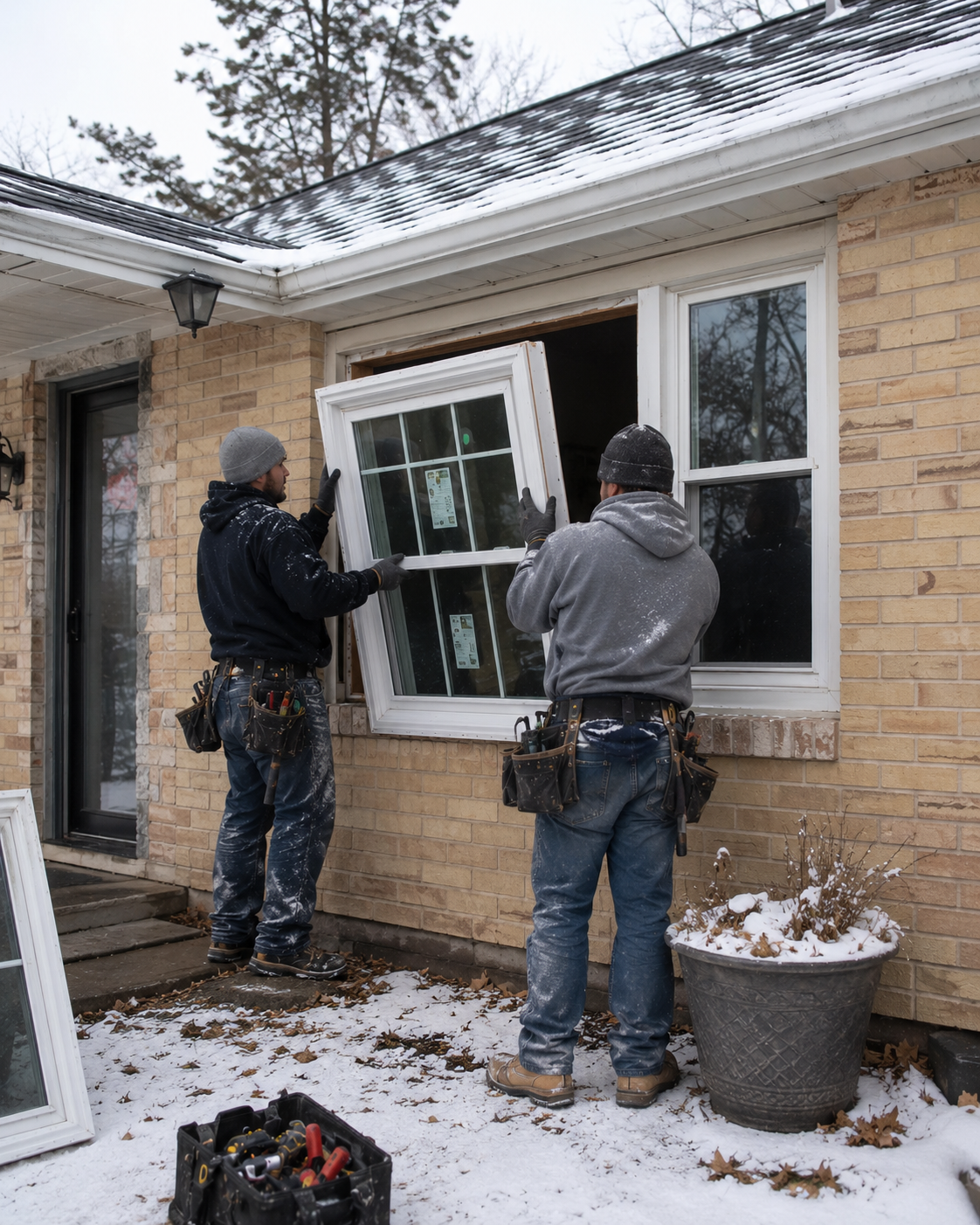
DTE Energy and Consumers Energy both run per-window + insulation rebate programs through December 31, 2026. DTE pays $15 per qualifying window, up to $125 in insulation rebates, and home-performance bonuses for bundled scopes. Consumers Energy runs a parallel program in its service territory. Pair with Michigan's 6,800 heating degree days, a 78% gas-heated housing stock, and the polar-vortex winters that make every leaky sash a felt cost, and tighter glazing earns back its keep season after season.

Michigan residential natural gas ran ~$0.90/therm in 2010 and is sitting at $1.45/therm by 2025. DTE Gas, Consumers Energy Gas, SEMCO Energy, and Michigan Gas Utilities all filed supply-rate increases through 2024 and 2025 MPSC dockets. Michigan winters average 6,800 HDD (Upper Peninsula touches 9,000+), so every BTU lost through a leaky window is paid for at climbing rates for the full 7-month heating season. Windows cut your usage 15-30% on day one, so your bill drops by that much before the next supply-rate filing.
Take a 2,000 sq ft 1968 colonial in Oakland County, gas-heated with central AC, on DTE Energy service. Fourteen original aluminum-frame windows. Annual gas + electric bills run ~$2,600. The owner books a DTE Insight Home assessment, bundles air sealing and insulation with the window upgrade, and submits the rebate application within 6 months of purchase. DTE pays the per-window rebate, the insulation bonus, and home-performance incentives on the bundled scope. Annual heating + cooling drops 22%.
See the pieces of the stackMichigan's two big utilities both write rebate checks on the same project: a per-window incentive for the glass and an insulation bonus on bundled envelope work. The dollar amounts are smaller than New England's, but the 6,800 HDD heating season is longer, so the bill-savings compound faster on the back end. Polar-vortex nights pay your project back the most.
A Michigan windows project earns through three working channels: DTE or Consumers Energy per-window rebates plus envelope bonuses, ongoing gas + electric bill reductions across a 7-month heating season, and the comfort + property-value lift that arrives the first polar-vortex night.
A typical Michigan windows project runs 7–9 weeks from the utility assessment to commissioning. Both DTE and Consumers Energy require the rebate application within 6 months of purchase, and program funding is first-come, first-served through December 31, 2026, so timing matters.
Actual questions that come up in the first installer conversation, answered for a typical Michigan homeowner in 2026.
Yes, the DTE per-window incentive runs at $15 for ENERGY STAR-qualified windows on DTE-heated single-family homes. The number is intentionally modest because the rebate isn't where the value sits, it's a small nudge the utility offers on top of the bundled-envelope bonus and the long-run bill savings. The real return comes from the 15-30% heating + cooling reduction across 25-30 years of climbing gas rates. The rebate is a thank-you for documenting the install, not the financial driver.
Both run windows + insulation rebate programs valid through December 31, 2026, with comparable structures: a per-window incentive plus an envelope bonus when the project bundles air sealing and insulation. The exact rebate amounts, application processes, and audit pathways differ. Consumers Energy customers should pull the program guide from consumersenergy.com; DTE customers from dteenergy.com. Whichever utility provides your primary heat is the one you apply through.
Yes, if you're at or below 80% Area Median Income. Michigan's Home Energy Rebates (MiHER) program, funded by the federal Inflation Reduction Act, layers up to $14,000 on top of the utility rebates for income-qualified households. The qualification process and application happen through the Michigan Energy Office; the utility-side rebate is independent. The Score routes you to the right path automatically based on your address and income.
Most of Michigan is climate zone 5A (Lower Peninsula). The ENERGY STAR North-Central threshold is U-factor 0.27 or lower. For the Upper Peninsula (zone 6A and zone 7 in the northern UP), the stricter 0.22 Northern threshold is recommended and triple-pane starts to make sense. Check the NFRC label on each window for U-factor, SHGC, and air leakage.
Three additional levers: (1) MI is 78% gas-heated and gas supply rates have climbed every year under MPSC dockets; (2) the 6,800 HDD heating season is one of the longest in the lower 48, so every BTU not lost stacks for 7 months; (3) summer cooling load drops too, since the new windows reflect more solar heat gain in Michigan's humid summers, particularly across the southern Lower Peninsula.
Both DTE and Consumers Energy require the rebate application within 6 months of the purchase date, no exceptions. If you've passed that window, the per-window and insulation utility rebates are no longer available for that project. The bill-savings still compound for 25-30 years regardless, but the upfront utility check is gone. Timing matters: apply within 30 days of project completion to avoid the deadline trap.
Looking for the same kind of program in another state, or a different program in yours? Tap any pill to jump.
Your Home Efficiency Score counts your single-pane windows, identifies which utility serves your address (DTE or Consumers), runs the per-window + insulation bonus stack, and shows your real gas + electric bill drop based on house size and fuel type.
Get my report